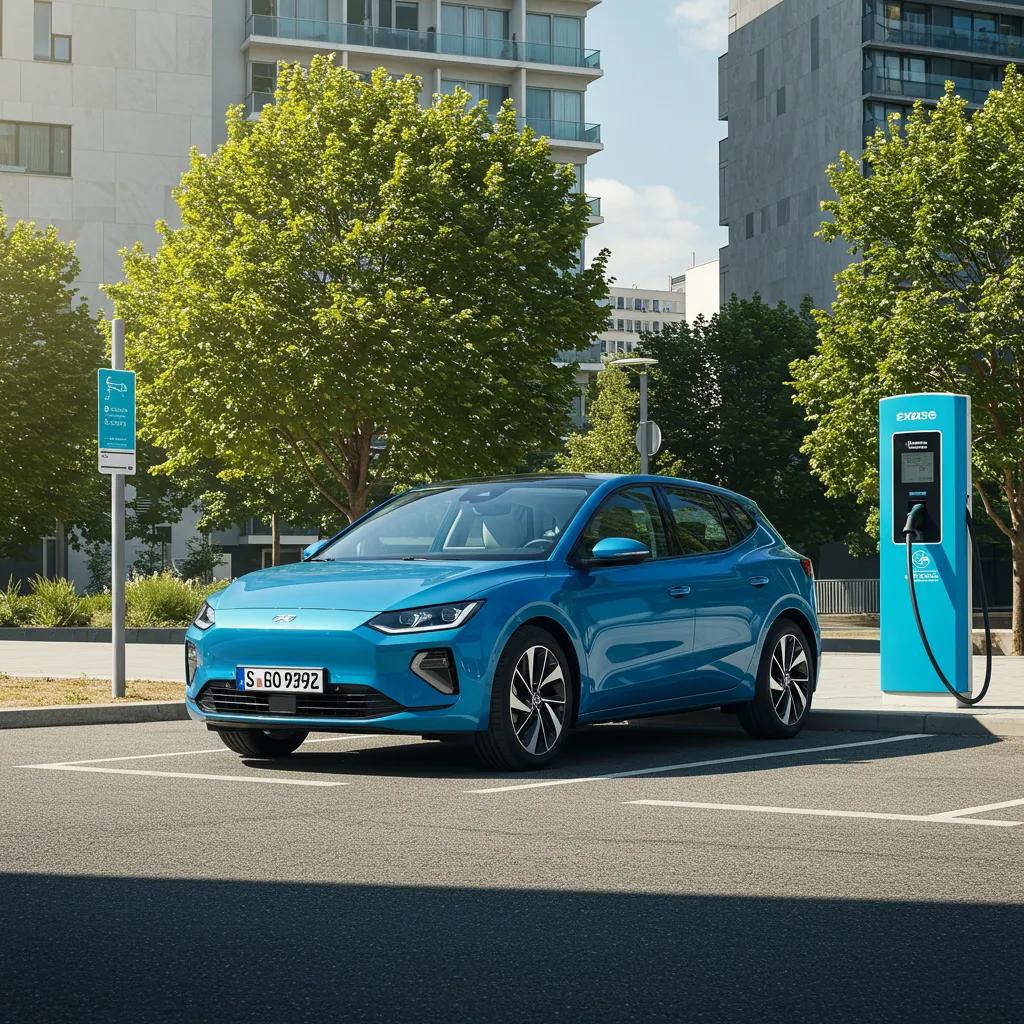
The Ultimate Guide to Electric Cars in 2025: Everything You Need to Know
Globall electric vehicle sales are projected to surge by 25% in 2025, reaching nearly 22 million units—a clear signal that electric cars are transforming personal transportation. If you’re weighing the shift from petrol to plug-in, this guide addresses the challenges of range anxiety, charging infrastructure, model comparisons and ownership costs. You’ll discover precise definitions of EV types, an in-depth look at battery and drivetrain technology, top models for every budget, charging strategies for home and on the road, total cost breakdowns including incentives, answers to the most pressing questions, and emerging brand innovations. At EV Authority, our data-driven comparisons and unbiased brand analysis combine to streamline your journey from research to purchase.
Global Electric Vehicle Sales Projections
What Is an Electric Car? Types, Definitions, and Key Features
An electric car is a passenger vehicle propelled exclusively or partially by an electric motor drawing energy from rechargeable battery packs. This zero-tailpipe concept reduces emissions, cuts fuel expenses, and promotes cleaner cities. For example, a Battery Electric Vehicle (BEV) relies solely on a high-capacity battery, whereas a Plug-in Hybrid Electric Vehicle (PHEV) combines battery power with a combustion engine to extend range. Understanding these types allows prospective owners to choose vehicles that best match driving habits and charging access.
- Battery Electric Vehicles (BEVs)
- Plug-in Hybrid Electric Vehicles (PHEVs)
- Fuel Cell Electric Vehicles (FCEVs)
- Key Attributes: propulsion, energy source, emissions
The distinctions among BEVs, PHEVs and FCEVs set the stage for exploring how each powertrain operates and serves different driving needs.
What Are Battery Electric Vehicles (BEVs)?
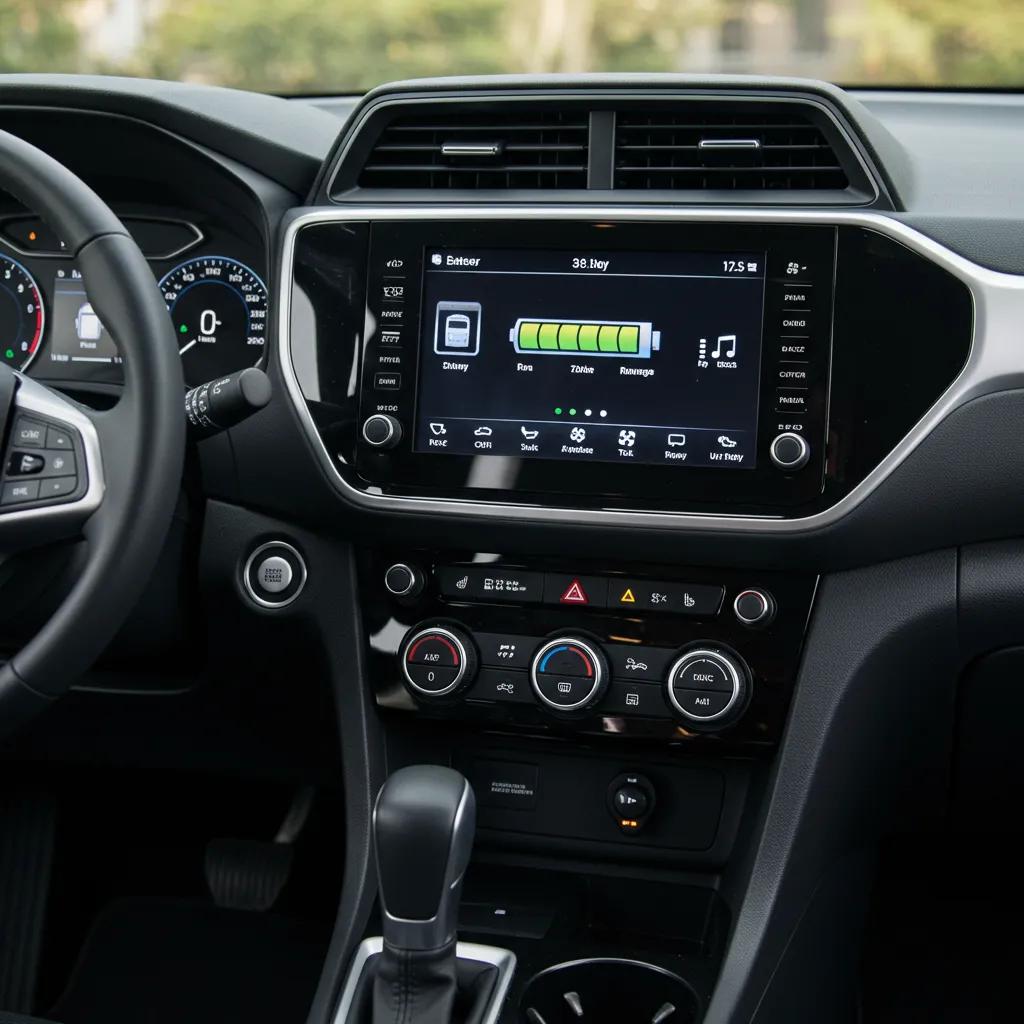
Battery Electric Vehicles run solely on electricity stored in on-board battery packs, delivering instant torque and silent acceleration. A typical BEV uses a lithium-ion battery that powers an electric motor with no internal combustion engine, resulting in zero tailpipe emissions. BEVs like the Tesla Model Y and Hyundai Ioniq 5 offer ranges from 250 to over 350 miles, reducing operational costs by using home charging or public stations.
How Do Plug-in Hybrid Electric Vehicles (PHEVs) Work?
Plug-in Hybrid Electric Vehicles combine an internal combustion engine with an electric motor and battery, enabling drivers to run on electric power for daily commutes and switch to petrol for longer trips. The battery recharges via regenerative braking and external charging, while the combustion engine activates when battery levels drop. This dual system eases range anxiety and reduces fuel consumption without compromising trip flexibility.
What Is a Fuel Cell Electric Vehicle (FCEV)?
A Fuel Cell Electric Vehicle generates electricity on-board through a chemical reaction between hydrogen and oxygen, emitting only water vapor. A fuel cell stack replaces the battery pack in typical BEVs, offering rapid refueling in under five minutes and ranges comparable to conventional cars. FCEVs illustrate how diversifying energy sources can expand EV adoption where hydrogen infrastructure is available.
What Are the Main Attributes of Electric Cars?
Before choosing an EV, compare these core specifications:
How Do Electric Cars Work? Battery, Motor, and Drivetrain Explained
Electric cars operate by converting electrical energy into mechanical motion through a motor and simplified drivetrain. A battery stores energy, the controller manages power flow, the motor generates torque, and a single-speed reduction gear transmits force to the wheels. This streamlined system improves efficiency by up to 90 percent compared to 20–30 percent in combustion engines, resulting in lower operating costs and reduced maintenance requirements.
What Is Lithium-ion Battery Technology and How Does It Power EVs?
Lithium-ion batteries consist of an anode and cathode separated by an electrolyte that facilitates lithium-ion migration during charge and discharge. These cells deliver high energy density and long cycle life, powering EV motors with stable voltage and fast charging capabilities. For instance, a 75 kWh pack can provide over 300 miles of range while supporting 150 kW DC fast charging for 80 percent charge in under 30 minutes.
Lithium-ion Battery Technology and EV Range
How Does Regenerative Braking Improve EV Efficiency?
- Motor reversal slows the vehicle while acting as a generator.
- Brake controllers modulate energy capture for smooth deceleration.
- Recovered energy extends range and reduces brake wear.
Regenerative braking can recoup up to 20 percent of energy on urban routes, directly supporting extended driving distances.
What Are the Differences Between Solid-State and Lithium-ion Batteries?
How Does the Electric Motor and Drivetrain Function in an EV?
An electric motor converts electrical energy into rotational force via magnetic fields. A power inverter supplies three-phase AC current to stator coils, generating a rotating magnetic field that spins the rotor. A single-speed reduction gear then transfers torque to the wheels without multi-gear complexity, boosting reliability and smooth acceleration. This lean drivetrain directly aligns with the zero-emission goals of modern electric cars.
What Are the Best Electric Cars of 2025? Top Models and Comparisons
With more than 100 EV models available worldwide, selecting the ideal car depends on range, budget, performance and charging flexibility. These standout models in 2025 demonstrate how diverse the electric car market has become.
How Does the Tesla Model Y Compare to Other Popular EVs?
Tesla Model Y delivers up to 330 miles of range, 0–60 mph in 3.5 seconds and access to a global fast-charging network. Its minimalist interior and over-the-air software updates set it apart, while competitors aim to match its efficiency and performance.
What Are the Features of the Hyundai Ioniq 5 and Kia EV6?
The Hyundai Ioniq 5 and Kia EV6 share advanced 800-volt architectures for ultra-fast charging, promoting rapid replenishment and extended range:
Which Affordable Electric Cars Offer the Best Value?
- Nissan Leaf offers 150–226 miles of range with proven reliability.
- Chevrolet Bolt EV features 259 miles of range and competitive pricing.
- MG ZS EV combines 273 miles of range with European styling at a lower price point.
Affordable EVs bring lower running costs and incentives to everyday drivers.
How Do Electric SUVs and Luxury EVs Differ?
Electric SUVs often prioritise space, towing capacity and rugged styling, while luxury EVs focus on premium finishes, advanced driver assists and cutting-edge infotainment. Crossovers like the Ford Mustang Mach-E blend practicality with performance, whereas brands such as Lucid and Porsche push boundaries in range and acceleration for upscale buyers.
How Does EV Charging Work? Home, Public, and Fast Charging Explained
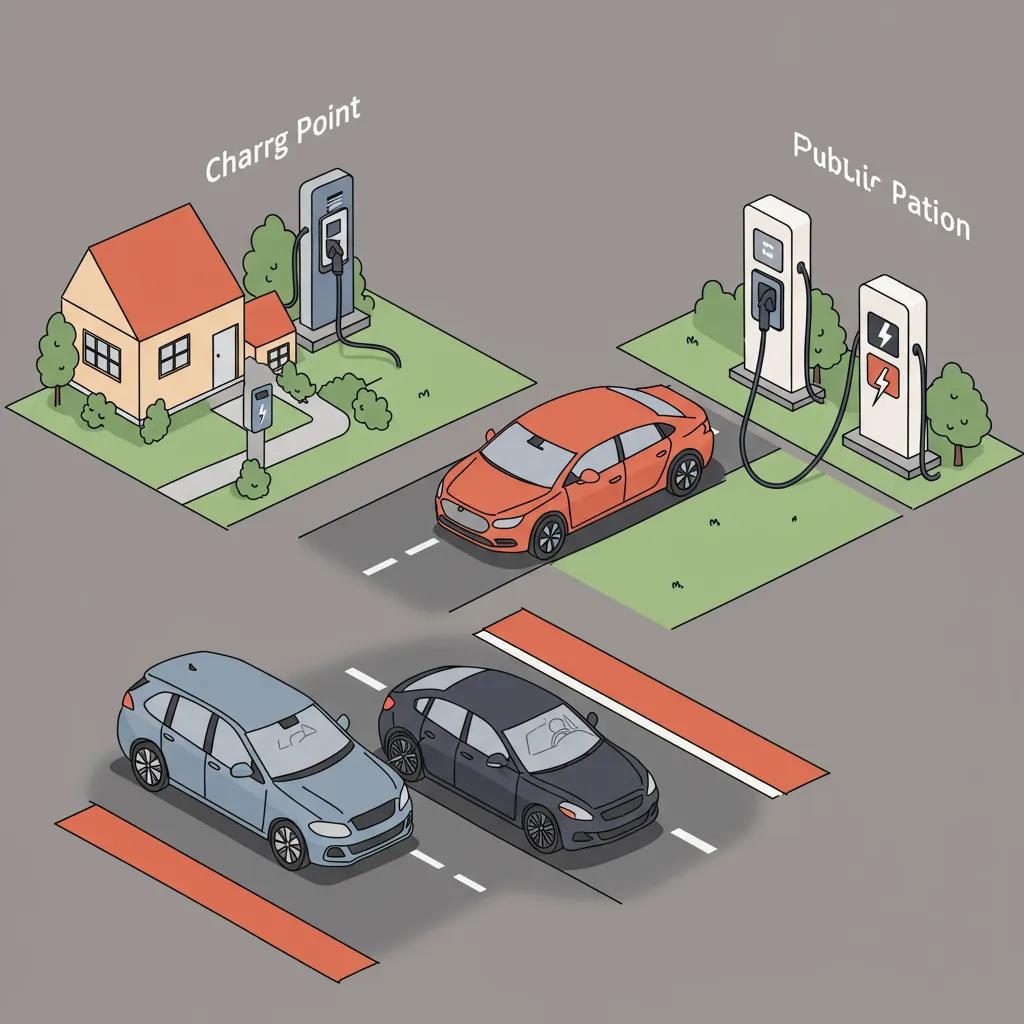
Charging infrastructure encompasses residential outlets, public AC stations and high-power DC fast chargers, each serving distinct needs. Understanding these options ensures seamless integration of an electric car into daily life and long-distance travel.
What Are Level 1 and Level 2 Home Charging Options?
Level 1 charging uses a standard 120 V outlet to add 3–5 miles of range per hour, suitable for overnight top-ups. Level 2 employs a dedicated 240 V circuit and Wallbox charger to deliver 20–30 miles per hour. Home installation of Level 2 equipment improves daily convenience and supports consistent range readiness.
How Fast Is DC Fast Charging and Where Can You Find It?
DC fast chargers operate at 50–350 kW, replenishing 80 percent of a battery in 15–45 minutes, depending on pack capacity. Networks such as Electrify America, Ionity and emerging national grids provide coverage along highways and urban centres, enabling practical long-distance driving.
What Are the Differences Between CCS and NACS Charging Standards?
How Can You Plan Long-Distance Trips with an Electric Car?
- Map charging stations along the route using real-time apps.
- Factor in battery cabin-climate impact on range.
- Schedule charging stops every 2–3 hours for optimal speed.
- Precondition battery temperature for peak charging performance.
Strategic trip planning ensures smooth journeys without unexpected delays.
Charging Infrastructure and Standards
What Is the Total Cost of Owning an Electric Car? Purchase, Charging, and Maintenance
Assessing total cost of ownership (TCO) requires combining upfront investments, energy expenses, upkeep savings and available incentives. A clear TCO comparison helps justify the transition to electric mobility.
How Do Purchase Prices Compare Across EV Models?
What Are the Typical Charging Costs at Home and Public Stations?
- Home electricity averages £0.17 per kWh, resulting in £12.75 to charge a 75 kWh battery.
- Public AC charging ranges from £0.25–£0.35 per kWh.
- DC fast charging can cost £0.40–£0.60 per kWh.
These figures demonstrate significant savings versus petrol equivalents at £1.50 per litre.
How Long Do Electric Car Batteries Last and What Is Battery Maintenance?
Most EV batteries are warranted for 8 years or 100,000 miles, retaining 70–80 percent capacity over time. Routine checks involve monitoring state of health via onboard diagnostics and avoiding deep-discharge cycles. Proper charging habits and temperature management support longevity.
What Government Incentives and Tax Credits Are Available in 2025?
- UK Plug-in Car Grant for eligible EVs up to £1,500 discount.
- Homecharge Scheme offering £350 towards installation of a smart charger.
- Low Emission Vehicle Grant for businesses adopting commercial EVs.
What Are Common Questions About Electric Cars? Answers to Range, Costs, and Performance
Every prospective EV owner wonders about charging time, running costs, cold-weather performance and real-world range. The following direct answers guide confident decision-making.
How Long Does It Take to Charge an Electric Car?
Charging time varies by charger type and battery capacity: a public DC fast charger can deliver 80 percent charge in 20–40 minutes, while a Level 2 home charger adds 20–30 miles of range per hour and a standard outlet may require 8–12 hours for a full recharge.
Are Electric Cars Expensive to Run Compared to Gasoline Cars?
Electric cars cost approximately £0.04–£0.07 per mile in electricity, compared with petrol costs exceeding £0.12 per mile. Combined with lower servicing needs—no oil changes and fewer moving parts—EVs deliver 30–50 percent savings in operational expenses.
Do Electric Cars Perform Well in Cold Climates?
Electric cars experience a 10–25 percent range reduction in sub-zero temperatures due to battery chemistry and increased cabin-heating demands. Preconditioning the battery and cabin while plugged in mitigates losses and ensures optimal performance in cold climates.
How Far Can You Drive on a Single Charge?
Modern EVs achieve 200–350 miles per charge, depending on battery size, driving style and environmental factors. Real-world averages often align with advertised WLTP ranges when drivers maintain steady speeds and optimise regenerative braking.
How Are Electric Car Brands and Models Evolving in 2025? Market Trends and Innovations
The EV market evolves rapidly as manufacturers compete on technology, range, affordability and software services. Understanding these trends highlights where the industry is heading.
What Are Tesla’s Latest Innovations and Market Position?
Tesla remains a market leader through ongoing improvements to its battery chemistry, proprietary 4680 cell production, enhanced Autopilot capabilities and its expanding Supercharger network. These advances reinforce Tesla’s dominance and push competitors to innovate.
How Is BYD Expanding Its Global EV Presence?
BYD leverages vertical integration of battery manufacturing and modular platforms to scale production worldwide. Its diverse lineup of affordable BEVs and PHEVs, combined with local partnerships, accelerates its penetration into European and North American markets.
What Are Volkswagen and Hyundai Doing to Compete in the EV Market?
Volkswagen is rolling out its ID Series on a dedicated MEB platform, emphasising affordability and brand consistency, while Hyundai invests in solid-state battery research and modular electric architectures that support multiple body styles, from hatchbacks to SUVs.
How Are Battery Demand and Market Overcapacity Affecting EV Prices?
Rapid expansion of gigafactories has led to battery material overcapacity, driving down per-kWh pack costs. Lower battery prices directly translate into more competitively priced electric cars, making EV ownership accessible to a broader audience.
Electric cars now combine refined technology, robust charging networks and evolving business models to deliver cleaner, more affordable transportation. As battery innovations and infrastructure expand, EV Authority’s comprehensive insights will continue to guide drivers toward the ideal electric car solution.
Leave a Reply